Drain and sewer problems often originate below ground, where symptoms alone cannot accurately identify the cause. Slow drains, recurring backups, and sewage odors can result from obstructions, pipe deterioration, misaligned joints, or structural failure. In Riverside County, drain camera inspections are the most reliable method for diagnosing these conditions before any cleaning or repair work is performed. A camera inspection establishes a factual understanding of the pipe’s condition and determines the appropriate corrective action.
Call (888) 333-5325
In this article, we’ll be discussing:
- What a Drain Camera Inspection Reveals
- Why Camera Inspections Come Before Cleaning or Repair
- Drain Line Cleaning Following Camera Inspection
- Drain Descaling for Cast Iron and Aged Pipe Systems
- Identifying Structural Drain Line Damage
- Trenchless Drain Line Repair Solutions
- Pipe Bursting and Full Line Replacement
- Drain Camera Inspections for Multi Family Units and HOAs
- Preventing Drain Disasters Through Early Detection
- The Role of Verification Inspections
What a Drain Camera Inspection Reveals
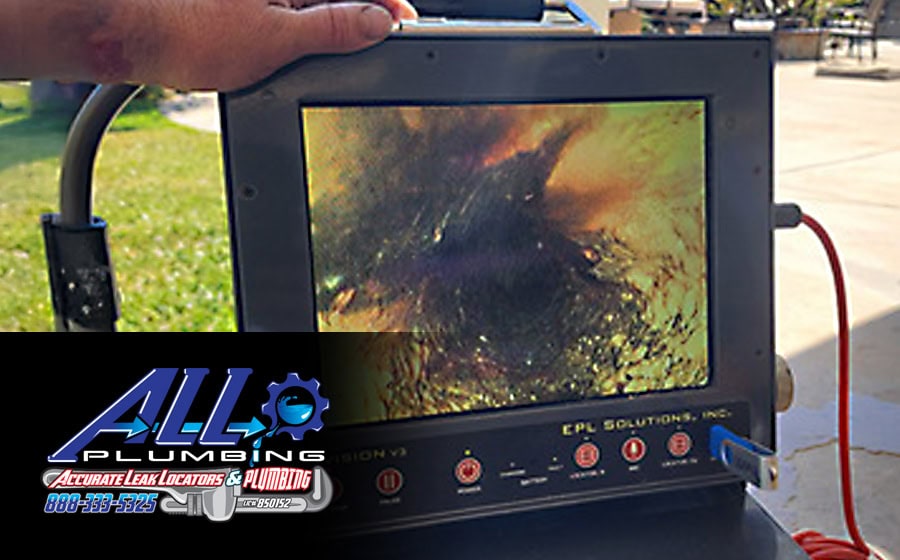
 A drain camera inspection uses a high-resolution video camera advanced through drain and sewer lines to capture real-time footage of interior pipe conditions. The camera records obstructions, corrosion, cracking, offsets, root intrusion, and material failure without excavation. This inspection provides direct visual confirmation rather than assumptions based on surface symptoms.
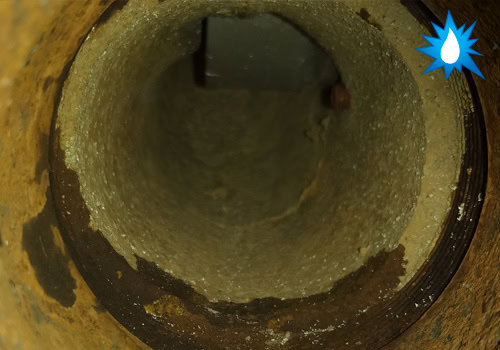
Camera inspections identify whether a drain issue is isolated or systemic. A localized blockage may be limited to grease, debris, or scale buildup, while recurring failures often indicate pipe deterioration or structural damage. In older Riverside County properties, cast iron drain lines frequently show internal corrosion that restricts flow even when no complete blockage exists.
Why Camera Inspections Come Before Cleaning or Repair
Drain camera inspections prevent unnecessary or ineffective work. Cleaning a drain without knowing its internal condition may temporarily restore flow while leaving corrosion, fractures, or collapses untreated. In some cases, aggressive cleaning methods applied to compromised pipes can accelerate failure.
An inspection determines whether hydro jetting is safe, whether descaling is required, or whether structural repair is necessary. This diagnostic-first approach reduces repeat service calls and ensures that cleaning and repair methods align with the pipe’s actual condition rather than symptoms alone.
Drain Line Cleaning Following Camera Inspection
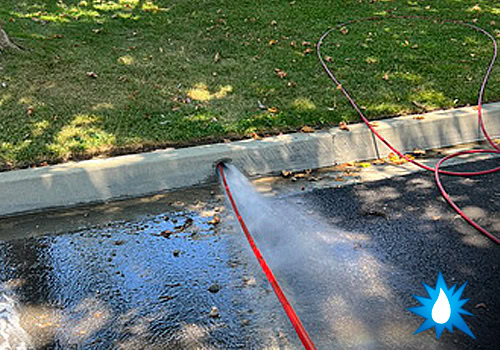 When camera footage confirms that drain lines are structurally intact, professional drain cleaning is typically the next step. Hydro jetting is the preferred cleaning method for removing grease, sludge, organic debris, and soft blockages from residential and multi-family drain systems. This process uses controlled high-pressure water to clean pipe walls without mechanical abrasion.
Hydro jetting restores full pipe diameter and improves drainage performance. Unlike snaking, which clears a path through debris, hydro jetting removes buildup across the entire interior surface of the pipe. Camera inspections conducted before and after cleaning verify that obstructions have been removed and that no damage occurred during the process.
Drain Descaling for Cast Iron and Aged Pipe Systems
Drain descaling is a specialized service used when camera inspections reveal hardened scale, rust, or mineral buildup inside cast iron drain lines. These deposits reduce pipe diameter and restrict flow even when no soft blockage is present. Descaling restores internal pipe capacity without replacing the line.
In Riverside County, many residential and commercial properties still rely on cast iron drainage systems. Camera inspections often show uneven corrosion patterns that cannot be corrected with standard cleaning alone. Descaling addresses this condition by removing the bonded scale while preserving the remaining pipe structure. Post descaling camera verification confirms the effectiveness of the process.
Identifying Structural Drain Line Damage
When camera inspections reveal cracked pipes, separated joints, bellies, or collapsed sections, cleaning alone is insufficient. Structural defects disrupt flow and allow soil intrusion, root growth, or wastewater leakage. These conditions often worsen over time and can lead to property damage if left unaddressed.
Camera footage allows precise identification of defect location and severity. This information determines whether targeted repair is feasible or whether full or partial line replacement is required. Accurate diagnosis prevents unnecessary excavation and limits repair scope to affected sections only.
Trenchless Drain Line Repair Solutions
 For structurally compromised pipes that remain properly aligned, trenchless repair methods such as epoxy drain pipe lining offer an alternative to traditional excavation. Epoxy liners create a structural barrier inside the existing pipe, sealing cracks, corrosion pits, and joint gaps while restoring flow capacity.
Camera inspections are essential before trenchless repair. Pipes must meet alignment and integrity requirements for epoxy lining to be effective. After installation, a follow-up camera inspection confirms liner placement and verifies that defects have been sealed. This method minimizes disruption while extending the functional life of the drain system.
Pipe Bursting and Full Line Replacement
When camera inspections show collapsed, severely offset, or deteriorated pipes beyond repair, pipe bursting, CIPP liner installation, or full replacement may be required. Pipe bursting involves fracturing the existing pipe while simultaneously pulling a new pipe into place. This trenchless replacement method limits surface disruption compared to open excavation.
Camera data determines whether pipe bursting is feasible based on soil conditions, pipe material, and surrounding infrastructure. In cases where trenchless replacement is not suitable, traditional excavation may still be necessary. Camera inspections ensure replacement decisions are based on verified conditions rather than assumptions.
 Drain Camera Inspections for Multi Family Units and HOAs
 Drain Camera Inspections for Multi Family Units and HOAs
Multi family properties, condominiums, and HOAs rely on shared drainage systems where failures can affect multiple units simultaneously. Camera inspections are critical for identifying shared line issues, improper connections, and recurring failure points within common sewer infrastructure.
Routine camera inspections help property managers plan maintenance, address issues before emergencies occur, and document system conditions for budgeting and compliance purposes. Inspections also clarify responsibility boundaries between private unit lines and shared sewer laterals.
Preventing Drain Disasters Through Early Detection
Many drain emergencies originate from unresolved structural or scaling issues that worsen over time. Camera inspections identify early-stage deterioration before complete failure occurs. Addressing problems at this stage reduces the likelihood of sewage backups, water damage, and emergency repairs.
Camera documentation provides a permanent record of pipe condition, enabling informed decisions about maintenance, cleaning intervals, and long-term repair planning. This proactive approach is particularly valuable for older properties and high-use drainage systems.
The Role of Verification Inspections
 Post service camera inspections are as important as initial diagnostics. After cleaning, descaling, or repair, camera verification confirms that work was completed effectively and that no additional issues remain. This step eliminates uncertainty and provides documented proof of results.
Verification inspections also establish a baseline for future monitoring. Comparing footage over time allows property owners and managers to track deterioration rates and plan repairs before failures occur.